Are you familiar with the term Everyday carry? We all actually have something that we carry with us every day. Things that we don’t leave home without. Do you know what I mean? It’s could be things like a purse or a wallet for almost all of us, it’s our phone, right? Carry with us every day. Keys a watch. Personally, I started caring with me a little over a year ago. A powerful, uh, flashlight. It’s kind of, it just fits in my pocket. And it starts out, it’s at either 15 lumens or it goes up to a hundred, then up to 400, and then 12, and then if I really need it, 6,000 at least it’s, there we go. And here’s the reason why I started carrying this. We had a power outage here at the church building about a year and a half ago, and we had enough ambient light in our offices. But I came into the sanctuary here, the worship center, and even with the exit of lights, it got almost pitch black. And so I thought, you know, if, if we had the power go out, even right now, it’d be pretty dark. I just want you to know your pastor’s got a flashlight ready to shine, little light in the darkness, and I got you back. Okay? I mean, these things, I mean, they’re little reminders that even for the flashlight, a little light can make a big difference in the darkness. Moses. Had his own everyday carry. It was a staff. Yep. That’s what I’ve been walking around with this morning. No, it’s not a limp that I’m not admitting to. It’s actually a sermon prop. For years, Moses himself had carried a staff around just a walking stick, a uh, something to prod the sheep with. But when God called Moses to go back to Egypt on a mission, that staff became something more. Scripture even calls it the staff of God. It was ordinary, but in God’s hands it became extraordinary and really a sign of God’s presence. And it was a means by which his power was displayed and accomplished. God’s purposes. So my prayer is today that we will see as we continue our journey in Exodus, how this simple staff. It became a symbol of God’s will Done God’s way. That’s, we’re actually wrapping up our sermon series entitled That God’s Will, God’s Way, and I hope to make the connection here on Communion Sunday, how Moses had a wooden staff through which God worked. We looked to a wooden cross. Where God’s ultimate purpose was accomplished and everyday reminder of who we are and whose we are, who goes with us, and what we’re called to do and to be. And we’re gonna pick up the text in Exodus chapter four, kind of right after, where Pastor Dentin Denton left off. Last week, Moses and the burning bush starts off with God saying this, but take this staff in your hand so you can perform the signs with it. Then Moses went back to Jethro, his father-in-law, and said to him, let me return to my own people in Egypt to see if any of them are still alive. Jethro said, go and I wish you well. Now the Lord had said to Moses in Midian. Go back to Egypt. For all those who wanted to kill you are dead. So Moses took his wife and sons, put them on a donkey and started back to Egypt, and he took the staff of God in his hand. The Lord said to Moses, when you return to Egypt, see that you perform before Pharaoh. All the wonders. I have given you the power to do. But I will harden his heart so that he will not let my people go. Then say to Pharaoh, this is what the Lord says, Israel is my firstborn son, and I told you, let my son go. So he may worship me, but you refuse to let him go so I will kill your firstborn son. The Lord said to Aaron, go into the wilderness to meet Moses. So he met Moses at the mountain of God. And kissed him. Then Moses told Aaron everything the Lord had sent him to say, and also about all the signs he had commanded him to perform. Moses and Aaron brought together all the elders of the Israelites and Aaron told them everything the Lord had said to Moses.
He also performed the signs before the people and they believed and when they heard that the Lord was concerned about them and had seen their misery. They bowed down and worshiped the word of the Lord. Thanks you, God. Let me pray as we continue living God in your word. It it, there’s so much evidence and we just read about how you showed up with your presence and, and through your power accomplish your purposes. Well, here we are centuries later, you are still the same God you still have. Your presence that you’ve promised us, you are still powerful to save, and we ask that your purposes would be revealed and made known to us and realized in our lives. Draw us closer to you, Lord Jesus. Ask in your precious name. Amen. We are traveling through this, the Old Testament book of Exodus. I wanna just take you back a little bit. To where we’ve been with Moses when he was this reluctant, uncertain, uncertain shepherd. Really still carrying the scars of his failures with him that he had, uh, done back in Egypt. Well, now in our text today, he’s finally gathering his family, 40 years later, loads him on a donkey, and then quietly begins this journey back to the scene of the crime, so to speak, but tucked in his hand this time. It was something that just wasn’t a tool anymore. Scripture says that he took the staff of God, not a staff, not any staff, not even Moses staff, but the staff of God. And I think this is significant. This staff was part of Everyday Carry, something he’d leaned on while tending sheep and the wilderness of Midian for 40 some years. Nothing special until. God made it something special, and I think it became a physical reminder that Moses would not be going alone. It was the same staff that God had just told him in chapter three to throw down and to turn into a serpent and back again, demonstrating God’s power and authority. But more than that, it was a sign of God’s presence. If you think back to that burning bush, Moses had stood before it, overwhelmed. By God’s call, he had asked, who am I that I should go to Pharaoh and bring out the Israelites out of Egypt? And God answered, not by saying it’s because of you, Moses. He wasn’t trying to prop up Moses confidence because of who Moses was. Rather it was because God had promised his presence. He had said to Moses, look, I will be with you. Which really is God’s promise to his people throughout all of scripture and redemptive history. God has promised that God’s will includes his presence. He goes with you. Our text reads, so Moses took his wife and sons, put them on a donkey and started back to Egypt, and he took the staff of God in his hand. He wasn’t going back with his cv, ready to show his resume. Rather it was the staff and with it the reality that God said, I will be with you every step of this journey. And isn’t that the way of God’s call upon our lives today? When He calls, he is present. Where He sends, he goes. When he commands, he accompanies God’s will always includes the promise of God’s presence. The theologian, Martin Luther wrote this reflection. This is a comforting thing that he’s a manual God with us. Even in the midst of our afflictions. Even in all the trouble you’ve seen, even in your fear, even when you feel unequipped or unworthy or unable, God promises his presence to be with you always to the end of the age. And for Moses, this everyday carry reminder, the staff of of God is a promise of God’s presence. And Moses wasn’t marching into Egypt’s, wielding the staff like a sword. Rather, he was walking with a kinda like a crutch, trusting it to keep him steady on uneven ground. And in that trusting God. And maybe that’s a word that someone here needs to hear today. What is your version of the staff of God? What is your everyday reminder that God is with you? Moses had his staff. You have the promises of God written out for you and through Christ, those promises are signed, sealed, and delivered forever. God’s will includes the promise of God’s presence. Second God’s will includes God’s power.
Our text reads, the Lord said to Moses, when you return to Egypt, see that you perform before Pharaoh. All the wonders I have given you the power to do. But I will harden his heart so that he will not let the people go. So here we have Moses staff in hand. On his way to Egypt, and God tells him outright, you’re gonna perform these signs, these wonders that I have given you the power to do. In other words, the power’s not from Moses. The staff isn’t some magic wand, but God has chosen to work through Moses and through this simple piece of wood, just one chapter earlier, God had told Moses to throw that same staff on the ground. Remember what happened? It became a snake. I inadvertently dropped it during the first service. Pastor Denton, later on was teasing me about, he’s this guy that didn’t turn into a serpent. But you know, it just that image for a certain group of us in a certain generation, it takes you back to the iconic scene from the 1956 film, the 10 Commandments. Do you know what I’m talking about? Let’s watch this clip. Let my people go. Slaves are mine. Their lives are mine. All that they own is mine. I do not know your God, nor will I let Israel go. Who are you to make their lives bitter in heart? Bondage man shall be ruled by law, not by the will of other men. Who is this God that I should let your people go. Aaron passed down my staff before Pharaoh that he may see the power of God in this. You shall know that the Lord is God. Mother. Mother, he turned his staff into a coron. Nothing of his will harm you, my son. The power of your God is a cheap magician’s trick. Janice. Oh Mother law. You see who this stuff and swallows up the others. I dunno. I, I kind of find that still one of the most remarkable scenes kind of in cinematic history and why maybe in part is because that was done before computer generated imaging. But I think more, it just kind of captures. The wonder of something so simple, so physical, a staff becoming the vessel to show God’s power. And I think that’s the point. This staff becomes the visible instrument of God’s might. And through it, Moses will strike the Nile, turn it to blood part the Red Sea, bring water from a rock. Through this staff, God is the one who confronts the most powerful empire on earth and brings it to its knees. So don’t miss this. It wasn’t that the staff had power, it was God’s promise connected to it. God was working through Moses, not because Moses was mighty, but because he trusted God’s promise and then in faith acted on it. In two Corinthians, the apostle Paul writes this, my grace is sufficient for you, says God, for my power is made perfect in weakness. This is why God could use this reluctant shepherd with a stutter and a stick. Martin Luther makes this connection with God’s word. He writes, faith clings to the word and lets God do his work. Through the weak instrument. That’s how God has seemingly always worked through fishermen, tax collectors, widows with empty jars, former prostitutes, little boys with loaves and fish, weak instruments, all but surrendered to the powerful God. Moses wasn’t, wasn’t stepping forward because he felt strong. He stepped forward because he was trusting in God’s strength, and once he did, God’s power was on display. God’s will includes God’s presence. God’s will includes God’s power. And third, and finally, God’s will includes God’s purposes. Listen to our text, then say to Pharaoh, this is what the Lord says, Israel is my firstborn son. And I told you, let my son go. So he may worship me, but you refuse to let him go so I will kill your firstborn son. And then verse 31, the people believed and when they heard that the Lord was concerned about them and had seen their misery, they bowed down and worshiped. This final movement in our message today, it’s not about the staff or the signs. Ultimately, it’s about God’s purpose. God wasn’t simply showing off for the sake of awe. He had a mission to deliver his people. Did you catch what God called the Israelites? He said, Israel is my firstborn son. In other words, I wasn’t. Just about liberation from oppression. It was about identity. God is claiming Israel as his own and he calls them family.
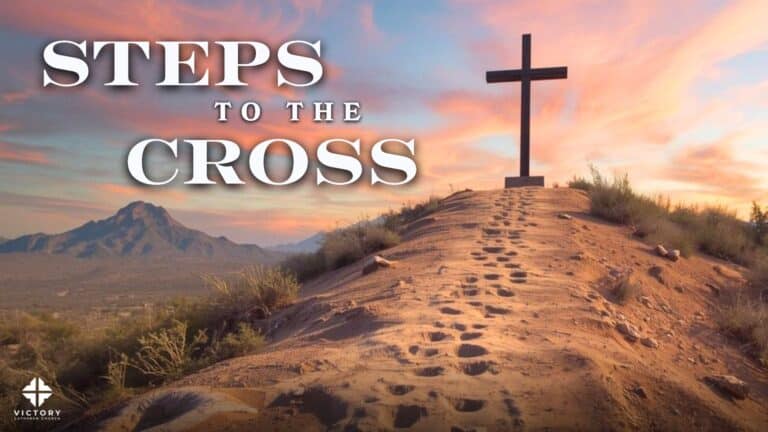
You see the purpose of God then it wasn’t political. It wasn’t just economic freedom or national independence. It was spiritual. Let my son go so he may worship me. I think God’s ultimate purpose. Is about worship and relationship. Even today, he’s delivering you and me, not just from something, but for something, for someone, for him, for communion, for life to be a part of the family of God. I think that’s why when Moses and Aaron finally arrive in Egypt and gather the, the elders of Israel, the people respond. I’m so glad it’s in it, because later on they’re always gonna be murmuring and turning away. But here they re respond, not with skepticism, but with worship. Our text says they believed, and that word believed it’s, it’s very important. It’s the same Hebrew word used for Abraham. In Genesis 15, Abraham believed God. And it was credited to him as righteousness. So Israel believed they bowed down and they worshiped. Why? Certainly, in part because for the first time in 400 some years, they were reminded. God sees us. God hears us, and God is coming to rescue us. And isn’t that his purpose for us yet today? Just as the staff in Moses hand pointed toward God’s power and presence, it also pointed to God’s greater purpose. A plan that wouldn’t end with an escape in the desert, but would actually end and find his fulfillment with a wooden cross on a. For you see in Christ. God has once again said, let my son go. Only this time it was to go to the cross. The son of God was not spared. Jesus took our place for the price of our bondage, and through his death and resurrection, brought about the ultimate deliverance, salvation for you and me. From Sin, death, and the Devil. Listen to what the Apostle Paul writes in Ephesians chapter one for He chose us in him before the creation of the world to be holy and blameless in his sight, in love. He predestined us for adoption to sonship through Jesus Christ in accordance with his pleasure and will you see God’s purpose? It’s clear and it’s been there since before creation. God is not improvising. He’s not reacting. He’s redeeming knowingly. So God knew before the foundation of the world that you and I would need saving, and he set the cross in place as the fulcrum of his love, the accomplishment of his mission and the seal of our freedom. The wooden staff in Moses’ hand. Brought signs of God’s mission to free Israel, the wooden cross on Calvary. It brings the fullness of God and his purposes to save the world. To save you and me. Moses carried a staff ordinary wood made Holy. By God’s presence, power, and purpose. And today we come, not with a staff in hand, but we look to a, a wooden cross as we prepare now to come to the Lord’s table where God meets us in our slavery and displays his power even in weakness, and that which seems ordinary and fulfills his eternal purpose to save. So when we come to the Lord’s table today. We’re not just remembering a moment in history, we are receiving again, the very means of this deliverance, the body, given the bloodshed, the presence, the power, and the purpose of God, all given for us in with and under the bread and the wine. God is present. His grace is powerful and his purpose. It’s still unfolding in you and in me. So prepare our hearts to come, come to the table, not because you may feel ready, but because you know that God is ready to meet you. Come and receive the gift of Jesus crucified, risen, and given for you. Join me in prayer.
Lord Jesus, thank you for carrying the cross. We could not bear for going with us wherever you call. Strengthen our faith to trust in your presence, to walk in your power, and to live for your purposes. As we come to your table now, nourish us with your grace, and then send us out as messengers of your love for the sake of Jesus, in whose name I pray. Amen. Amen.